
01
Annual screening, organised
Run structured health camps and maintain a longitudinal record against each child’s permanent KidsHealth360 ID.
The Ministry of Education has directed all schools — private and government — to carry out 100% screening of enrolled students using the PRASHAST 2.0 tool during the 2026–27 academic year. This is not a recommendation; it is a statutory direction that applies regardless of board, ownership or fee structure.
DPDP Act deadline — 13 May 2027. Recording children’s medical data on laptops, school computers, pen drives or Excel sheets is a violation of the DPDP Act 2023, which becomes fully enforceable from 13 May 2027. Schools handling health data without verifiable consent, encryption and audit trails will be exposed to penalties.
KidsHealth360 exists to make this easy — moving screening, consent, records and reporting into a secure, DPDP-aligned, encrypted online system so your school is compliant without the manual burden. The work is mandatory; doing it the right way does not have to be hard.
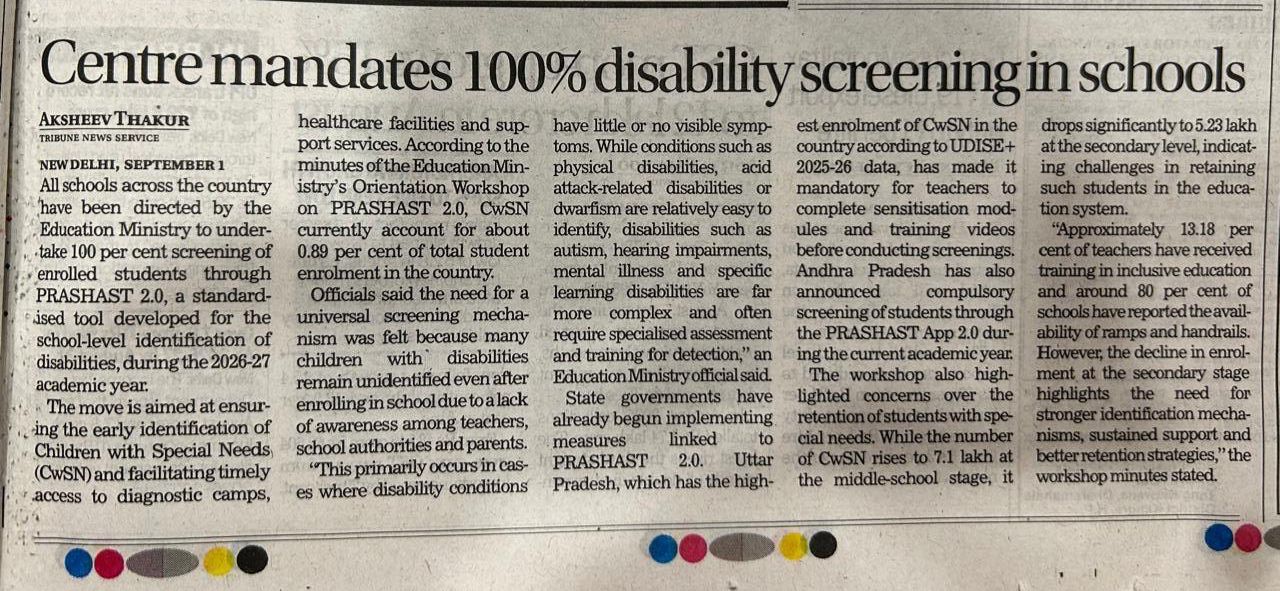
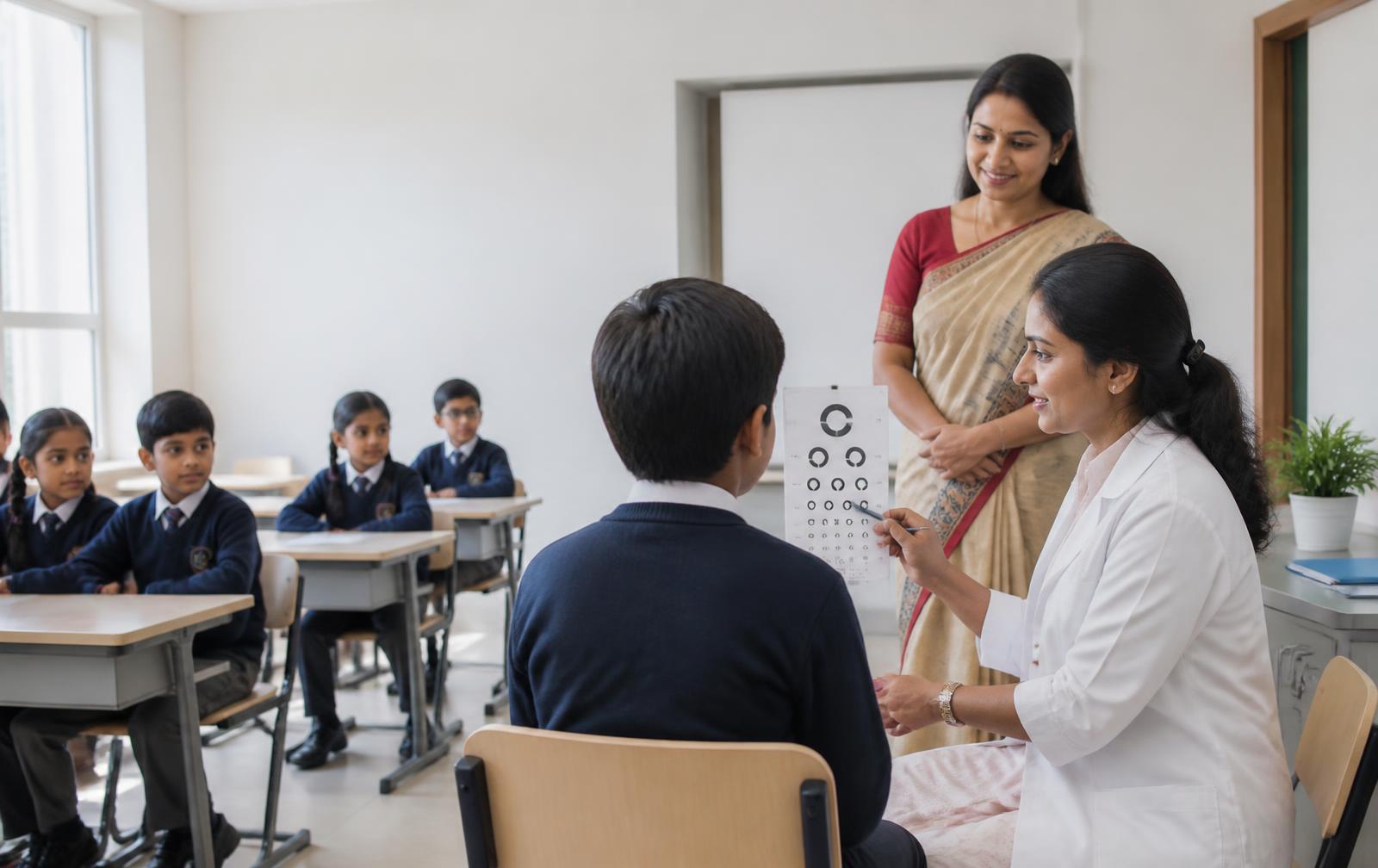
KidsHealth360 helps Indian schools screen every child, protect sensitive health data, coordinate follow-up and maintain clear evidence across CBSE, NEP, RPwD, RBSK and DPDP responsibilities.
One child record
Across school, parent and doctor
Role-based access
Minimum necessary information
Action to closure
Every referral visibly tracked
The school’s responsibility
Regulations do not live in separate silos at school. Screening, inclusion, consent, records and follow-up must work together.
Clauses 14.6 & 2.4.12
Annual medical checks, proper records and structured wellness support.
Health & inclusion
Regular check-ups, health cards and early identification of support needs.
Sections 16, 17, 25 & 39
Screening, reasonable accommodation, monitoring and staff sensitisation.
Children’s personal data
Verifiable consent, purpose controls, safeguards and accountable processing.
KidsHealth360 supports your compliance programme and record-keeping. Each school remains responsible for its own statutory duties, policies and authorised disclosures.
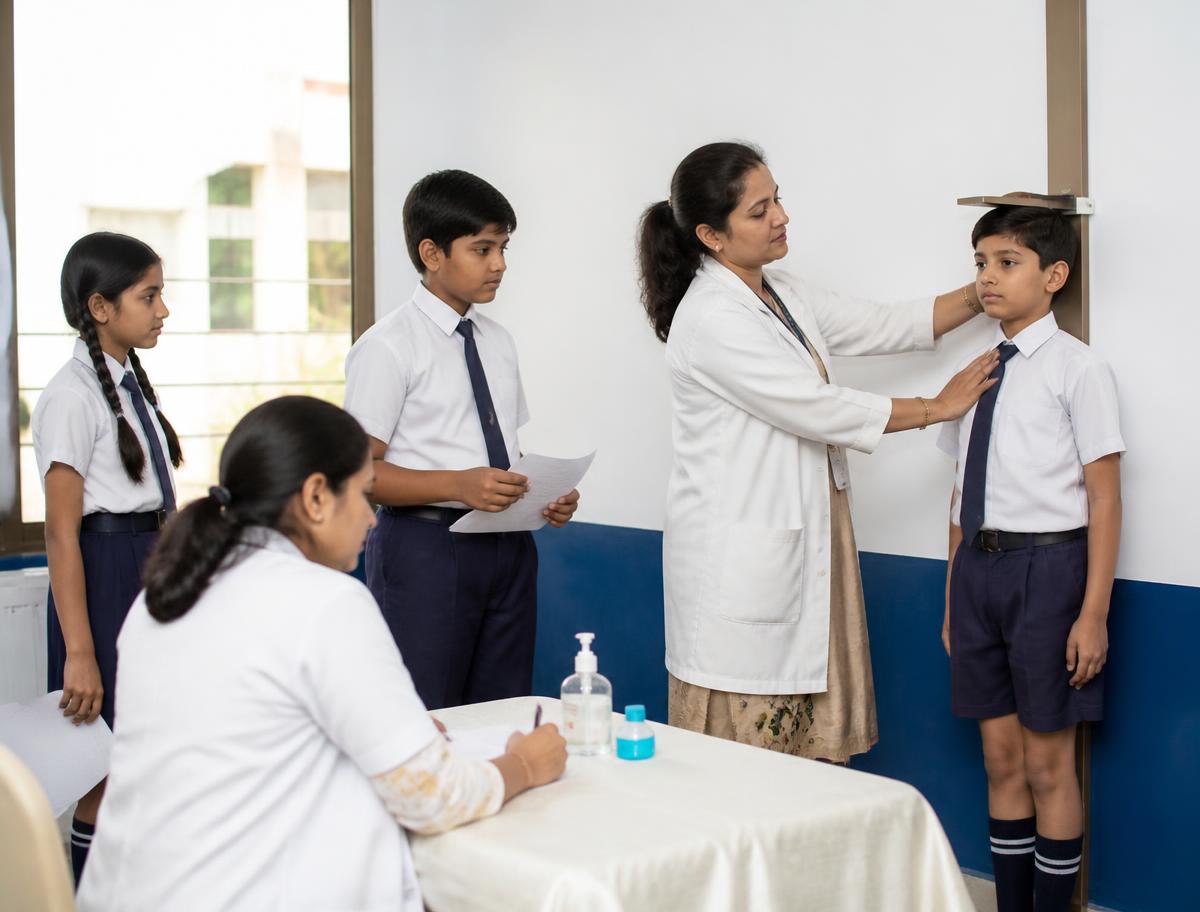
From event to system
Paper reports are easily delayed, misplaced or forgotten. KidsHealth360 turns camp-day observations into controlled records and practical next steps.
A permanent record for every screened child
Parent notification and acknowledgement
Classroom accommodation lists for authorised staff
Referral follow-up until an outcome is recorded
What changes for your school
Run structured health camps and maintain a longitudinal record against each child’s permanent KidsHealth360 ID.
Translate vision, dental, growth, nutrition and developmental findings into clear referrals and classroom support.
Prepare statutory forms, school summaries and follow-up status without rebuilding records from paper files.
Parents, teachers, doctors and administrators see only the information appropriate to their responsibility.
See class-wise trends, pending referrals and accommodation needs before they are missed.
The compliance pathway
KidsHealth360 carries out and documents agreed data-processing responsibilities while the school keeps governance oversight.
01
Structured clinical capture
02
Consent, access and encryption
03
Alerts, referrals and support
04
Audit-ready school records
Guided compliance tour
Tap any step — or press play — to walk through exactly what happens before, during and after implementation, and who does what at each stage.
Before implementation
Step 1 of 7 · Week 1
We map where your school stands today — before anything goes live.
You receive: Compliance gap report + implementation plan with dates
What your school does
Share your current process: how screening is done, where health data sits (registers, Excel, laptops), and which consents you already collect.
What KidsHealth360 does
Audit gaps against CBSE 14.6, NEP 2020, RPwD and DPDP duties, and produce a written compliance baseline with a corrective action list.
Requirement mapping
| Reference | School responsibility | KidsHealth360 support |
|---|---|---|
| CBSE 14.6 | Annual student medical check-up and proper records | Camp workflow, permanent child record and annual school summary |
| RPwD 25(2)(c) | Screen children annually to identify at-risk cases | Structured screening with flagged-case and referral registers |
| RPwD 16(iii) | Provide reasonable accommodation | Seating, allergy, diet and activity advisories for authorised staff |
| RPwD 16(vi) | Early detection of specified learning disabilities | Observation forms, clinician review and follow-up documentation |
| DPDP 2023 | Handle children’s data with verifiable consent and safeguards | Consent evidence, purpose controls, encryption and audit trails |
Designed for action
Role-based views give principals, wellness staff and class teachers the minimum information required to act responsibly.
12
Vision follow-ups
08
Seating changes
05
Dietary alerts
91%
Referrals closed

Class actions
Referral status
Health trends
Implementation
Import your student roster and create consistent child IDs.
Collect and track parent permissions before processing health data.
Doctors record structured findings during the school health camp.
Parents and authorised staff receive clear next steps, not clinical clutter.
Track referrals, accommodations and closure evidence.
Export school-level, RBSK and RPwD-ready documentation when required.
KidsHealth360 adds the school-parent-doctor operating layer. It can organise records and reporting alongside ABHA/ABDM, RBSK and other authorised government workflows rather than replacing them.
For principals and school leaders
We will map your current screening, consent, referral and reporting process and show where KidsHealth360 can remove manual gaps.
A practical 45-minute walkthrough
No pricing pitch or generic presentation
Your compliance and operational questions answered
Prefer to speak directly? +91 78145 24624